
round led bathroom mirror 800mm
Standard Bore Gauge En Nøgle til Præcision inden for Måleteknik Inden for måleteknik spiller standard bore gauge en uvurderlig rolle i at sikre nøjagtighed og pålidelighed i en række industrielle og tekniske anvendelser. En bore gauge, også kendt som en borhuls-måler, er et instrument designet til at måle indvendige diametre på cylindriske huller, og derfor er den vigtig for mange industrier, herunder bilproduktion, flyindustrien og maskinfabrikation. Hvad er en Standard Bore Gauge? En standard bore gauge er typisk et præcisionsinstrument, som bruges til at måle diameteren af borede huller, og dens design er ofte baseret på internationale standarder for at sikre ensartethed og pålidelighed. Den består normalt af en skala, der kan aflæses for at bestemme diameterens størrelse, og den kan være udstyret med forskellige standardmål for at imødekomme forskellige applikationer. Det kan være analogt eller digitalt, afhængigt af behovene i den specifikke industri. Hvorfor er det vigtigt? Afstanden mellem komponenter i et produkt kan have stor indflydelse på dets ydeevne. I bilindustrien kan en lille variation i diameteren af et borhul føre til ineffektivitet eller endda mekaniske fejl. Standard bore gauges gør det muligt for ingeniører og teknikere at kontrollere, om især forlængede og specielle huller har den rigtige måling, hvilket derefter sikrer, at de dele, der skal monteres fremad, fungerer korrekt sammen. Dette beskytter ikke bare mod fejl, men det fremmer også en bedre kvalitet af det endelige produkt. Målemetoder En standard bore gauge kan anvende flere målemetoder, herunder 1. Vernier En simpel, men effektiv metode, hvor målingen aflæses direkte fra en skala. 2. Digital måling Giver øjeblikkelig aflæsning og mulighed for mere komplekse målinger. 3. Indvendige måleprober Disse kan indstilles til forskellige dybder, hvilket er nyttigt i applikationer, hvor huller ikke altid er ensartede. standard bore gage Det er vigtigt at vælge den rigtige type bore gauge baseret på hvilket materiale, der måles, samt hvilke tolerancer der kræves. Anvendelse i Industrien I industrien finder vi behovet for at kontrollere borhuller dagligt. I bilsektoren er der strenge krav til tolerancer, da det påvirker motorens ydeevne og sikkerheden i køretøjet. For flyindustrien er nøjagtigheden ikke bare en krav, men en livsnødvendighed – hvert hul, en bolt eller komponent går igennem, skal måles ned til den mindste detalje. Udfordringer og Fremtidige Tendenser Selvom standard bore gauges er pålidelige, er der stadig udfordringer knyttet til præcision og måleteknologi. Udviklingen inden for teknologi betyder, at vi nu ser avancerede måleteknologier, der kombinerer metoder som laserskanning og 3D-måling for at opnå endnu højere nøjagtighed. Fremtiden for bore gauges ser lys ud, med muligheden for integration af IoT (Internet of Things) for bedre dataindsamling og analysatorer, der kan hjælpe med at sikre kontinuerlig overvågning af måleprocessen. Konklusion Standard bore gauges har sin plads i at sikre kvalitet og præcision i mange industrier. Ved at investere i de rette måleværktøjer kan virksomheder undgå fejl og forbedre effektiviteten i deres produktionslinjer. Med den fortsatte udvikling inden for teknologi vil vi se endnu mere innovative løsninger, der gør måleteknik mere præcis og effektiv. Uanset hvilken industri det drejer sig om, vil standard bore gauges fortsat være en kritisk komponent i stræben efter kvalitet og præcision.
about
round led bathroom mirror 800mm
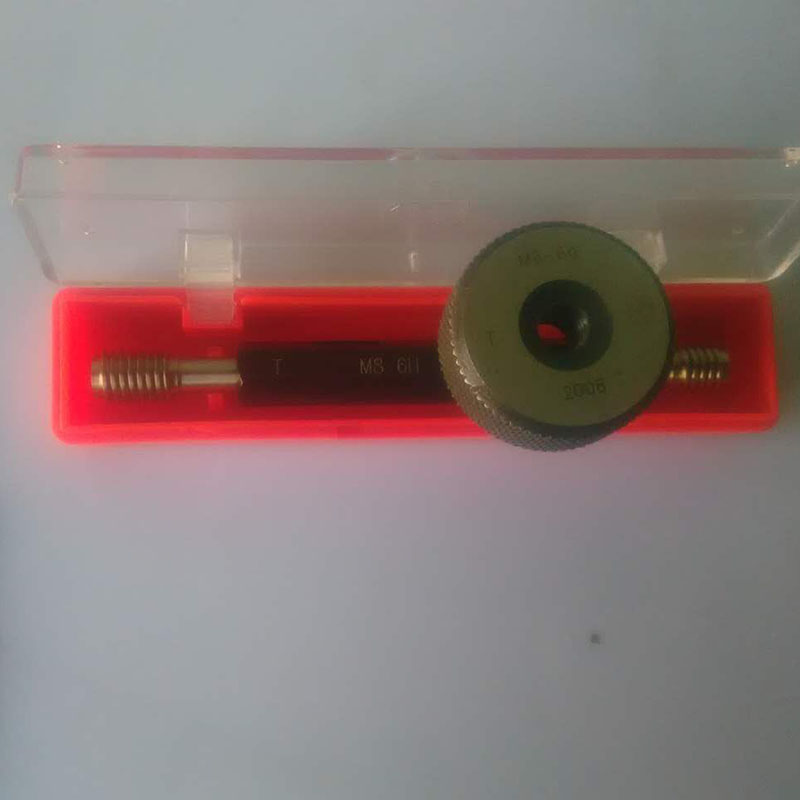
In the realm of precision manufacturing and quality control, threaded ring gauge and adherence to thread ring gauge standard are critical for ensuring component reliability. These tools and benchmarks are indispensable in industries where thread precision directly impacts safety and functionality. This article explores the fundamental role of threaded ring gauge and the importance of aligning with thread ring gauge standard to maintain industrial quality benchmarks. Key Features of Thread Rings in Quality Assurance Thread rings , as integral components of threaded ring gauges , possess specific features that make them essential for quality control. These rings are precision-engineered to replicate the exact profile of the internal threads they are designed to check, including parameters such as pitch, diameter, and angle. The accuracy of thread rings directly impacts the reliability of the measurement process, as any imperfection in their design can lead to false positives or negatives in thread inspection. One of the critical features of thread rings is their compliance with international and industry-specific standards. These standards dictate the dimensions, tolerances, and manufacturing processes for thread rings , ensuring consistency and interoperability across different manufacturing facilities and regions. Additionally, thread rings may be coated with protective layers to resist corrosion and wear, extending their service life in harsh industrial environments. Best Practices for the Use of Thread Gauge in Industrial Settings Proper usage of thread gauges is essential to maintain their accuracy and ensure reliable measurements. First, operators must thoroughly clean both the gauge and the component being inspected to remove any debris, oil, or contaminants that could interfere with the measurement. Using a clean, dry cloth or brush to wipe the threads ensures that the threaded ring gauge fits correctly onto the component without obstruction. Secondly, applying the gauge with the correct amount of force is crucial. Over-tightening can cause damage to the gauge or the component, while insufficient force may result in an inaccurate assessment. Operators should allow the threaded ring gauge to slide onto the threads under its own weight or with minimal hand pressure. Adhering to Thread Ring Gauge Standard for Precision Compliance with thread ring gauge standard is non-negotiable in industries where precision is paramount. These standards define the allowable tolerances for thread dimensions, ensuring that components from different manufacturers can be interchangeable. Manufacturers must use threaded ring gauges that are traceable to these standards, often verified through calibration certificates from accredited laboratories. By adhering to thread ring gauge standard , companies can minimize the risk of producing non-conforming parts, reduce costly rework, and enhance customer satisfaction. Additionally, staying updated with revisions to these standards is essential, as technological advancements and industry feedback often lead to improvements in thread specifications. Maintenance Strategies for Thread Rings in Industrial Environments Proper maintenance of thread rings is essential to preserve their precision and extend their operational lifespan in demanding industrial settings. These critical components, which form the core of threaded ring gauges , are susceptible to wear, corrosion, and contamination if not cared for correctly. Regular inspection and maintenance practices ensure that thread rings continue to deliver accurate measurements, safeguarding the quality of threaded components. To maintain thread rings , operators should first establish a routine cleaning schedule, using non-abrasive solvents and soft brushes to remove debris, metal shavings, or lubricants that may accumulate in the thread grooves. Harsh chemicals or abrasive tools can damage the delicate thread profile, compromising measurement accuracy. After cleaning, thread rings should be dried thoroughly and stored in protective cases or cabinets to prevent exposure to moisture, dust, or extreme temperatures. T hreaded R ing G auge FAQs How to choose the right threaded ring gauge for a specific application? Selecting the appropriate threaded ring gauge involves identifying the thread type , nominal diameter, pitch, and tolerance class required for the component. Referencing the applicable thread ring gauge standard and consulting the gauge manufacturer's specifications will ensure the gauge matches the thread requirements. What are the common causes of inaccuracies when using thread rings? Inaccuracies with thread rings often arise from improper maintenance, such as failing to clean the gauge or store it in a protective case, leading to debris accumulation or corrosion. Additionally, using a threaded ring gauge that is not calibrated to the latest thread ring gauge standard or applying excessive force during inspection can compromise measurement accuracy. Can thread gauges be used for both new components and worn parts? While thread gauges are primarily designed for inspecting new components, they can also be used to assess wear on existing parts. However, for worn components, it is essential to compare the measurement results against the allowable wear limits specified in the relevant thread ring gauge standard to determine if the part is still serviceable. How often should threaded ring gauges be calibrated? The calibration frequency for threaded ring gauges depends on their usage intensity and the industry's quality requirements. As a general best practice, most industries recommend calibrating thread gauges at least annually or more frequently if they are used in high-volume production environments to ensure ongoing compliance with thread ring gauge standard . What steps should be taken if a threaded ring gauge fails calibration? If a threaded ring gauge fails calibration, it should be immediately removed from service and marked as non-conforming. Depending on the extent of the deviation, the gauge may be reconditioned by a qualified technician or discarded. Replacing it with a calibrated gauge that meets the thread ring gauge standard is essential to maintain measurement integrity. In summary, threaded ring gauge and thread ring gauge standard form the backbone of thread quality control in manufacturing. These elements ensure threaded components meet precise dimensions for safe operation. By understanding their roles and adhering to standards, manufacturers enhance reliability and quality benchmarks. Proper maintenance and calibration of threaded ring gauge are essential for sustaining precision, with compliance to thread ring gauge standard being critical for industrial consistency.
-

High quality industrial productsagement

High quality industrial products
View Details -

Meet the diverse needs of customers

Meet the diverse needs of customers
View Details -

Strict quality control

Strict quality control
View Details -

Top raw materials

Top raw materials
View Details -

Trusted supplier

Trusted supplier
View Details
Our application

news and information

valve wholesale
The valve industry is a cornerstone of countless sectors, encompassing everything from oil and gas t
Water Hose Backflow Prevention Valve Inspection and Maintenance Guide
The Importance of Water Hose Check Valves Water hose check valves play a crucial role in hydraulic s

Y Type Strainer Cleaning Procedures
In industrial fluid systems, Y type strainers are essential components that effectively filter out i
 English